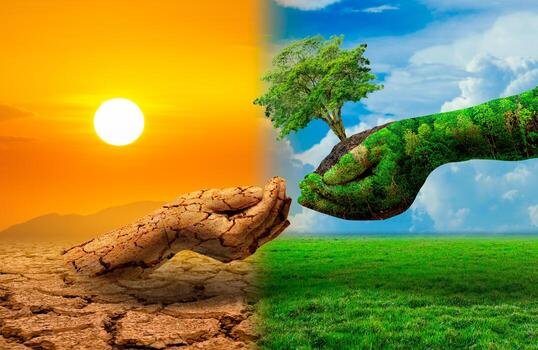
The environment is one of the most valuable gifts of nature. It includes air, water, land, forests, animals, and plants. Human life depends completely on the environment because it provides all the resources necessary for survival. Clean air, fresh water, and fertile land are essential for a healthy life. However, due to human activities, the environment is facing serious problems today.
Importance of the Environment
The environment plays a vital role in maintaining life on Earth. Trees provide oxygen, rivers provide water, and soil helps in growing food. Nature also maintains the balance of climate and supports biodiversity. A healthy environment leads to a healthy society and better quality of life.
Air Pollution
Air pollution is one of the biggest environmental problems. Smoke from factories, vehicles, and burning fuels pollutes the air. Polluted air causes breathing problems, lung diseases, and other health issues. It also affects plants, animals, and the climate.
Water Pollution
Water pollution occurs when harmful chemicals, waste materials, and plastics are dumped into rivers, lakes, and oceans. Polluted water harms aquatic life and makes water unsafe for drinking. Clean water is necessary for both humans and animals, so protecting water resources is very important.
Deforestation
Deforestation means cutting down trees and forests for construction, industries, and farming. Forests are important because they absorb carbon dioxide and provide oxygen. They also provide shelter to wildlife. Excessive cutting of trees leads to climate change, soil erosion, and loss of biodiversity.
Climate Change and Global Warming
Climate change is a major environmental challenge. The Earth’s temperature is increasing because of greenhouse gases such as carbon dioxide and methane. This causes global warming, melting glaciers, rising sea levels, floods, droughts, and extreme weather conditions. Climate change affects agriculture, water supply, and human health.
Plastic Pollution
Plastic pollution has become a global issue. Plastic waste can be found everywhere, including roads, rivers, and oceans. Since plastic does not decompose easily, it remains in the environment for many years. Animals often consume plastic accidentally, which can harm or kill them.
Ways to Protect the Environment
There are many ways to protect the environment:
Plant more trees
Reduce the use of plastic
Save water and electricity
Recycle and reuse materials
Use public transport
Promote renewable energy like solar and wind power
These simple steps can help reduce pollution and conserve natural resources.
Role of Education and Awareness
Education is very important for environmental protection. People should understand the importance of nature and learn how to protect it. Schools, colleges, social media, and environmental campaigns can spread awareness and encourage people to adopt eco-friendly habits.
Conclusion
The environment is essential for the survival of all living beings. However, pollution, deforestation, climate change, and plastic waste are damaging nature rapidly. Protecting the environment is the responsibility of every individual. By working together and adopting sustainable practices, we can create a cleaner, greener, and healthier planet for future generations.